24/7 Emergency


Sometimes a murmur can be a shout. When a vet detects a heart murmur in a dog or cat, that’s an alarm bell signaling a problem: Blood’s flowing turbulently through the heart.
That can be caused by leaky heart valves, congenital heart defects, changes in the size or function of the heart, high blood flow states – for example, anemia, pregnancy, fever or thyroid disease – or even innocent murmurs. The loudness of the murmur doesn’t always indicate the severity of the disease.
But what if that animal requires surgery that involves sedation or other anesthesia? Is it safe? Can the cardiovascular system stand the strain?
Assessing Anesthetic Risk
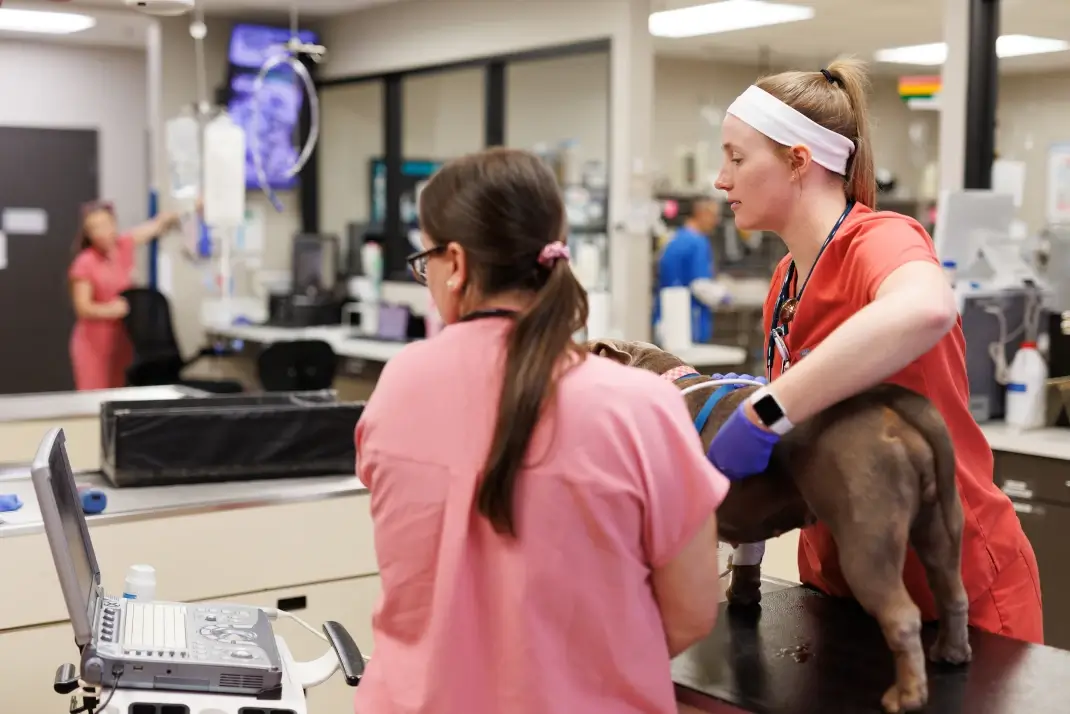
Vets don’t generally treat murmurs. Instead, they determine the causes of murmurs to assess anesthetic risk. The most definitive test is usually an echocardiogram, an ultrasound examination of the heart. They may also recommend blood pressure measurement, an ECG, chest radiographs or blood testing, such as NT-proBNP.
Treatment depends entirely upon the diagnosis. Some animals require no cardiac medication. Others benefit from pimobendan, diuretics, blood-pressure medications, anti-arrhythmics or other cardiac drugs. Certain congenital abnormalities can be corrected or substantially improved with catheter-based or surgical procedures.
Sedation vs. General Anesthesia
Surgical procedures might be divided loosely into two camps, with considerable overlap. The veterinarian performing the procedure makes this decision with an anesthesiologist’s guidance.
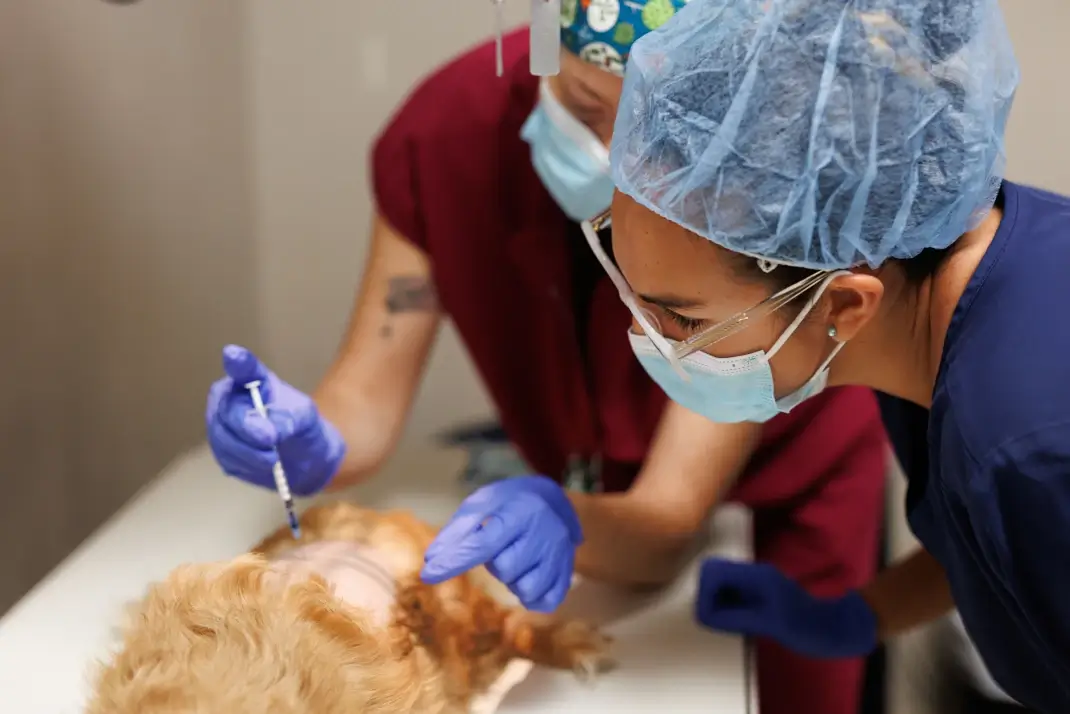
Sedation is commonly sufficient for minor or minimally invasive procedures: certain diagnostic tests, minor wound care, some biopsies, imaging procedures, joint injections and other procedures that don’t require the patient to be completely unconscious or motionless.
General anesthesia is usually needed for lengthy procedures that require complete immobility, involve the abdomen or chest, compromise the airway or cannot safely be performed on a conscious patient. Most major orthopedic and soft-tissue surgeries fall into this category.
Dentistry may sound less invasive than surgery, but dental radiographs, probing, scaling below the gumline and dental extractions usually require general anesthesia. Sedating an animal and attempting extensive dentistry without securing the airway can create additional risks.
Varying Degrees of Sedation
A mildly sedated dog may be relaxed and sleepy but still conscious, breathing independently and responsive to stimulation. But where doctors can tell human patients, “Please don’t move when you feel pressure,” vets can’t have that conversation. Procedures done under light sedation in people require deeper sedation or general anesthesia in animals that absolutely must remain still.
Having a heart murmur does not automatically preclude light or moderate sedation. What matters is the disease causing the murmur and the drugs being used. Some sedatives have relatively modest cardiovascular effects, while others substantially alter heart rate, blood pressure, cardiac output or vascular resistance. The veterinarian performing the procedure can be guided by an anesthesiologist and tailor drug selection and dosage to the patient’s cardiovascular condition.
Can Sedation Make a Heart Condition Worse?
Many anesthetic and sedative medications lower blood pressure, change the heart rate, decrease the strength of cardiac contraction, predispose susceptible patients to arrhythmias and affect normal breathing. A healthy cardiovascular system usually compensates for these changes very well. For example, an animal with mild mitral valve disease and normal heart size and function may tolerate anesthesia extremely well.
A severely diseased heart may have much less reserve. An animal with advanced heart failure, severe pulmonary hypertension, a dangerous arrhythmia or markedly impaired ventricular function represents a very different case.
Anesthesia generally does not permanently worsen heart disease. But cardiovascular changes during anesthesia could produce hypotension, arrhythmias, pulmonary edema, poor tissue perfusion or – in severely compromised patients— cardiovascular collapse.
That’s why anesthetic management matters so much. Drug selection, IV fluid administration, blood-pressure monitoring, ECG monitoring, oxygenation/ventilation, temperature management and rapid treatment of abnormalities can be just as important as the diagnosis.
What Happens When an Operation Must Be Done?
Anesthesia always offers risk, even in a healthy animal. At the same time, relatively few cardiac conditions would make a vet say an animal could never be anesthetized. Instead, they weigh the risk of anesthesia against the risk of not treating the underlying problem.
Suppose a cat had severe dental infection, painful rotten teeth and a significant heart murmur. Leaving the mouth untreated carries substantial consequences: chronic pain, infection, inflammation, inability to eat normally. “Do nothing” isn’t a risk-free alternative. In such a case, a vet might approach a decision in stages:
- Identify the heart disease, ideally with an echocardiogram.
- Stabilize or optimize anything that can be improved beforehand. That could mean treating congestive heart failure, controlling arrhythmia, correcting dehydration or anemia, managing blood pressure, etc.
- Determine which cardiac medications should be continued or withheld around anesthesia.
- Work with the primary veterinarian and anesthesiologist to design the anesthetic protocol specifically for that patient’s cardiovascular disease, rather than using the hospital’s routine protocol.
- Use local and regional anesthesia if possible. Dental nerve blocks dramatically reduce the amount of general anesthetic and systemic pain medication required.
- Use appropriate monitoring and personnel. ECG, blood pressure, oxygen saturation, end-tidal CO₂ and temperature monitoring become particularly important in high-risk cardiac patients.
- Have a plan for predictable complications such as hypotension, bradycardia, tachycardia, arrhythmias or pulmonary edema.
- In particularly high-risk cases, perform the procedure at a specialty or referral hospital where an anesthesiologist, criticalist or other appropriate specialists and advanced monitoring are available.
Other Considerations for Veterinary Heart Murmurs and Sedation
One other strategy is to make the procedure as efficient and focused as possible. If a high-risk cardiac patient needs dental treatment, for example, the goal may not be an unnecessarily prolonged anesthetic to achieve a cosmetically perfect dental cleaning. The priorities may be obtaining appropriate dental imaging, eliminating infection, extracting painful or nonviable teeth, providing excellent local analgesia and getting the patient safely awake.
In the end, a vet would never tell an owner, “Your pet has a heart murmur, so anesthesia is dangerous.” A better choice would be: “Your pet has a heart murmur. Before deciding how concerned we should be about anesthesia, we need to understand why the murmur is there and how well the heart is functioning.”
Charlotte Animal Referral and Emergency (CARE) operates as the animal version of a medical center for humans. It runs 24 hours a day, 365 days a year, offering a wide range of treatments. You can get not only emergency room care but board-certified work by specialists, after you obtain a referral from your primary care veterinarian. You can check out the practice at carecharlotte.com/tour.