24/7 Emergency

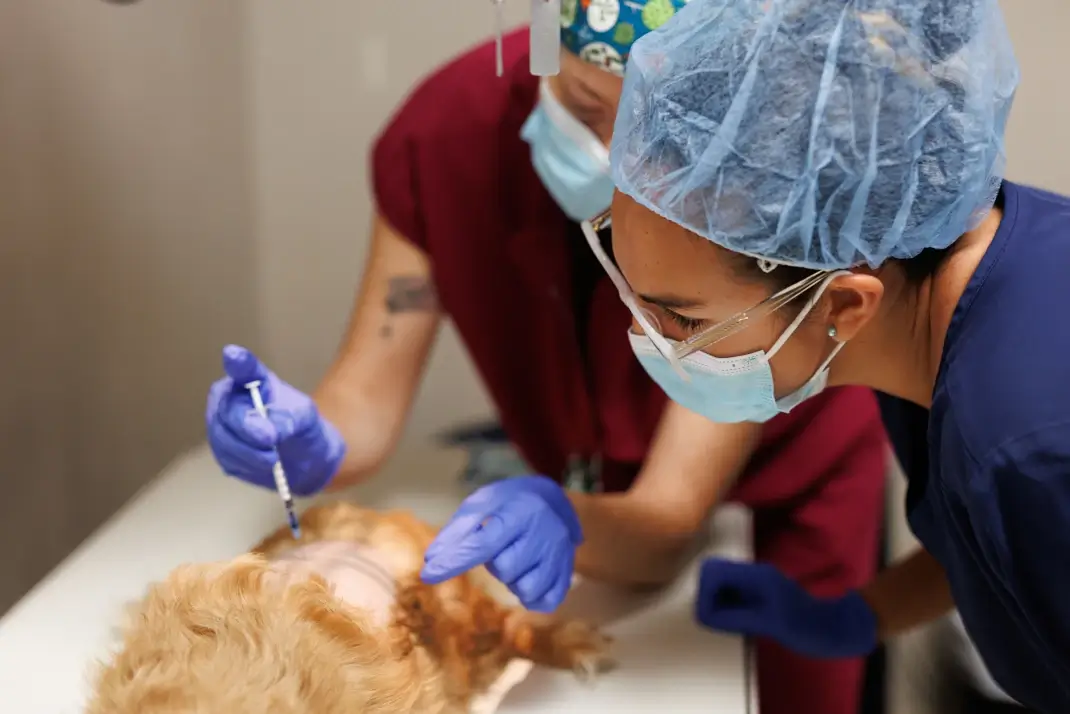
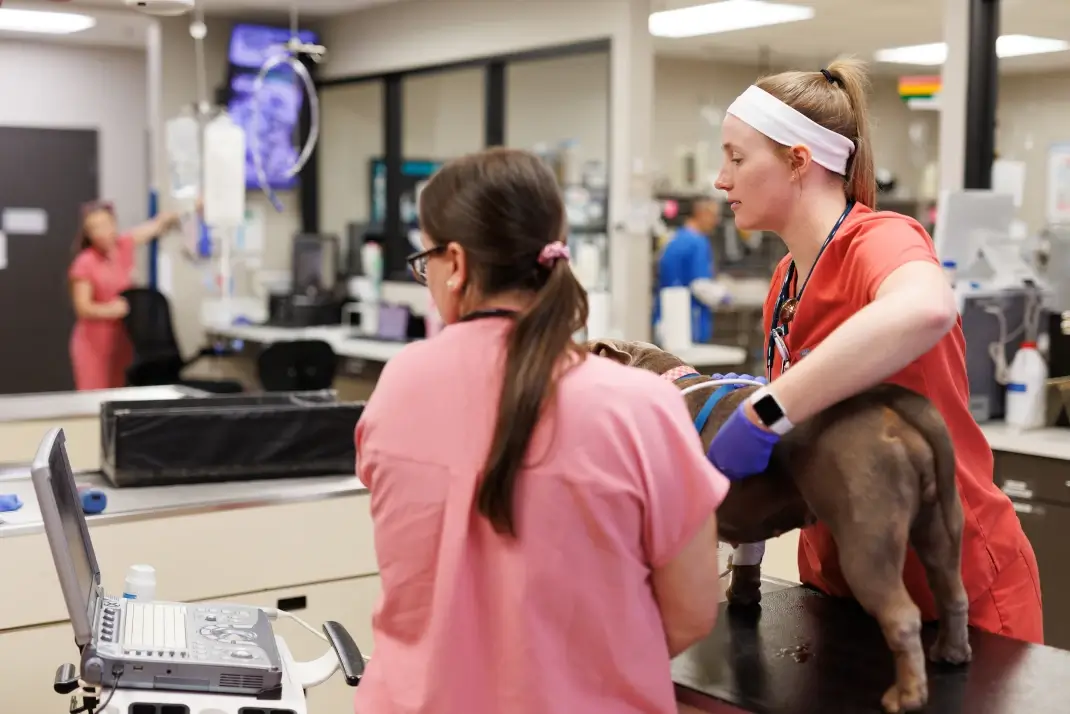
When pets are hospitalized at a specialty or emergency hospital, the veterinary technician at their side may be monitoring anesthesia, recognizing subtle changes in their condition, managing complex treatments, or providing intensive nursing care around the clock. With time and experience, veterinary technicians become experts. However, those skills don’t develop overnight.
In fact, some newly graduated veterinary technicians choose to spend an entire extra year in advanced training—much like the rotating internships many veterinarians complete after veterinary school. Rather than beginning their careers immediately, they make the intentional decision to spend another year learning, growing, and challenging themselves so they can provide the highest level of care possible.
This year, Charlotte Animal Referral & Emergency (CARE) is proud to celebrate the 10th anniversary of our Veterinary Technician Rotating Internship Program. More than a milestone for our hospital, it’s a celebration of the remarkable graduates who have chosen to invest an entire year in becoming exceptional veterinary technicians.
What Is a Rotating Internship?
Unlike shorter orientation or training programs that may focus on a single department over a few weeks or months, a rotating internship is an immersive, year-long educational experience. Modeled after the postgraduate internships many veterinarians complete after veterinary school, CARE’s paid rotating internship is designed to bridge the gap between the classroom and the complex realities of specialty and emergency medicine.
Throughout the year, interns rotate through Emergency, Intensive Care, Surgery, Internal Medicine, Cardiology, Neurology, Ophthalmology, and other specialty services. Each month brings new mentors, new patients, and new opportunities to build advanced technical skills while seeing how each specialty contributes to exceptional patient care.
The goal isn’t simply to become proficient in one area—it’s to develop a broad foundation that prepares technicians for virtually any path they choose in veterinary medicine.
A Commitment to Lifelong Learning
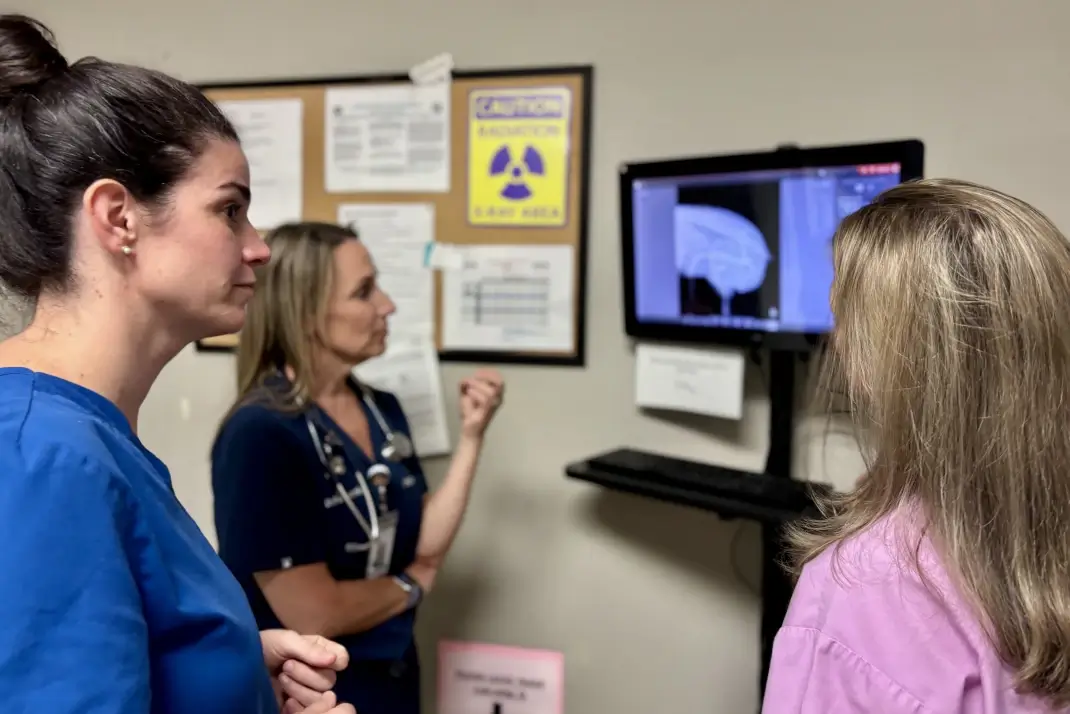
Choosing to complete a full year of advanced training requires dedication. These graduates have already earned their veterinary technology degree and are ready to begin their careers. Instead, they choose another year of learning alongside experienced Registered Veterinary Technicians, board-certified specialists, and emergency veterinarians.
That commitment reflects something we deeply value at CARE: excellent patient care begins with people who never stop learning.
Why Does This Matter for Pets?
Veterinary medicine continues to become more advanced every year, and caring for today’s patients requires highly skilled teams. Technicians who receive broad, structured training gain experience with complex medical conditions, advanced procedures, anesthesia, intensive care, and emergency medicine under the guidance of experienced mentors. They learn not only how to perform technical skills, but when to recognize subtle changes, anticipate patient needs, and collaborate effectively with veterinarians.
The result is a stronger healthcare team. And ultimately, as veterinary technicians become experts, they provide better care for the pets and families who trust us.
Celebrating 10 Years
As we celebrate ten years of CARE’s Veterinary Technician Rotating Internship Program, we’re proud of far more than the program itself. We’re proud of every intern who chose an extra year of learning, grateful to the mentors who have invested in them, and inspired by the impact these technicians continue to make, whether they build their careers at CARE or carry what they’ve learned to hospitals across the country.
Because when exceptional people commit themselves to becoming even better, every patient benefits.
Want to learn more? Check out the short video below with more detailed information. Or click or tap here.
Ready to apply? You can do so here.
You can think of Charlotte Animal Referral and Emergency as the equivalent of a medical center for people. It’s open 24 hours a day, 365 days a year, and it offers all sorts of treatment, from emergency attention to board-certified specialty work after a referral from your primary care veterinarian. Please take a visual tour of the practice at carecharlotte.com/tour.