24/7 Emergency

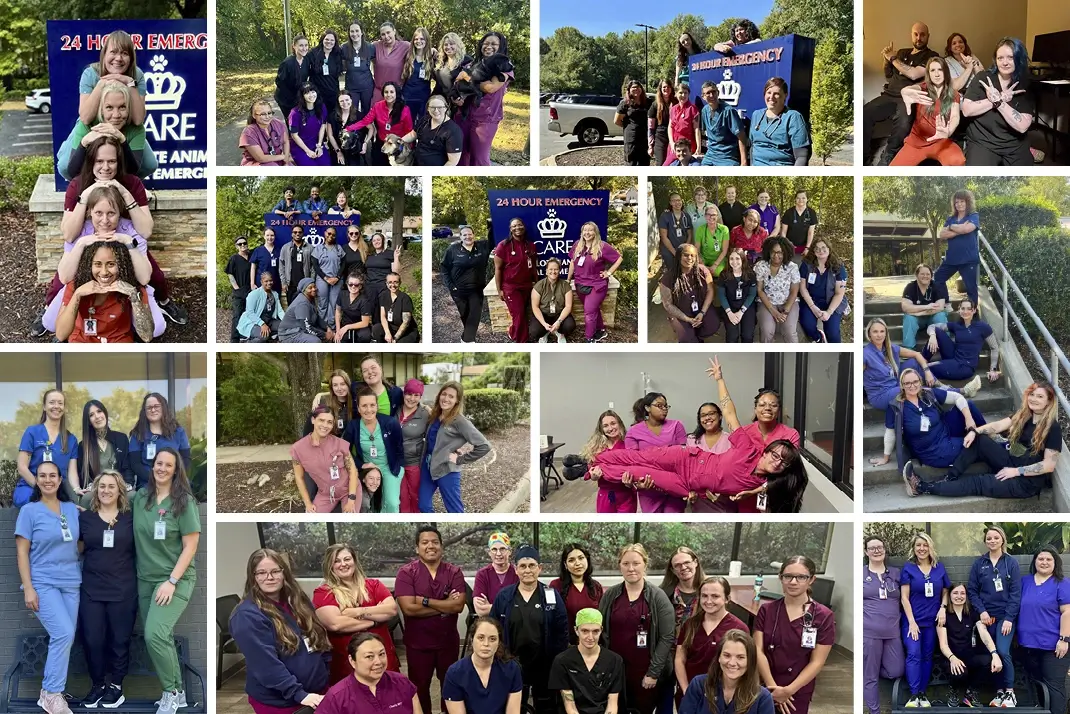
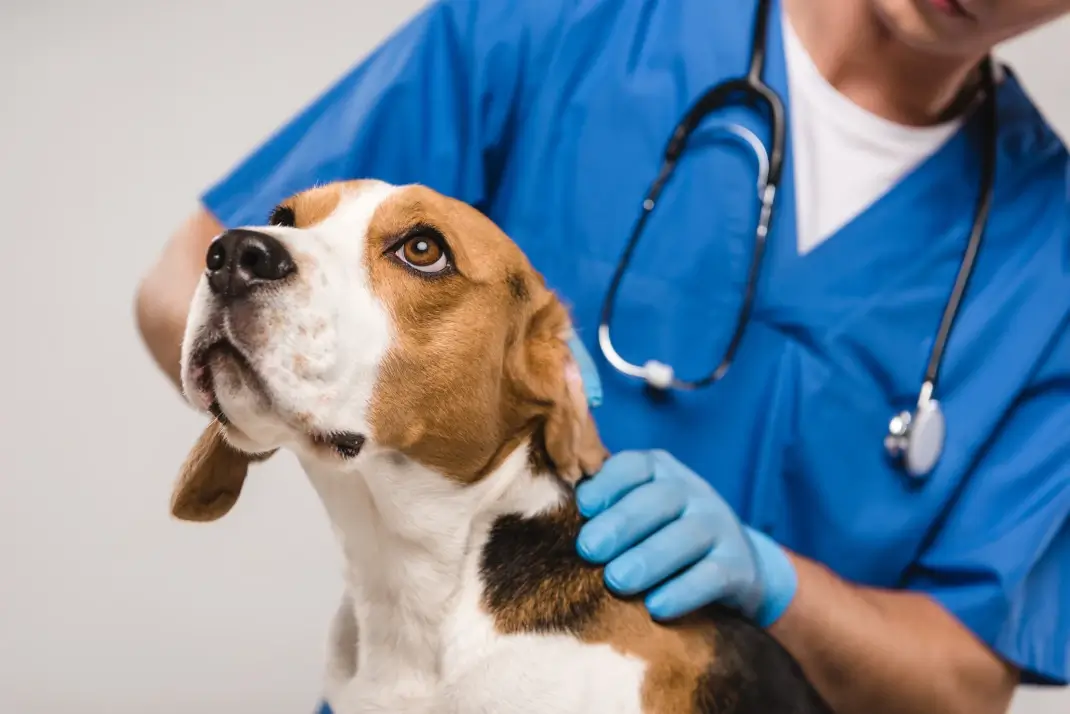
Each day, they travel from as far as Gastonia or Lincolnton to treat pets from various corners of the Southeast as if they were their own. They come to give hugs and “scritches” as much as they do to draw blood and run scans. They take care of your pet, but also take care of you.
The job title has two words, but the responsibilities are seemingly endless as they are at the heart of nearly everything we do at CARE. Our vet techs work alongside board-certified veterinarians in emergency and critical care, internal medicine, neurology, oncology, ophthalmology, cardiology, surgery and anesthesiology.
What Does a Veterinary Technician Do?
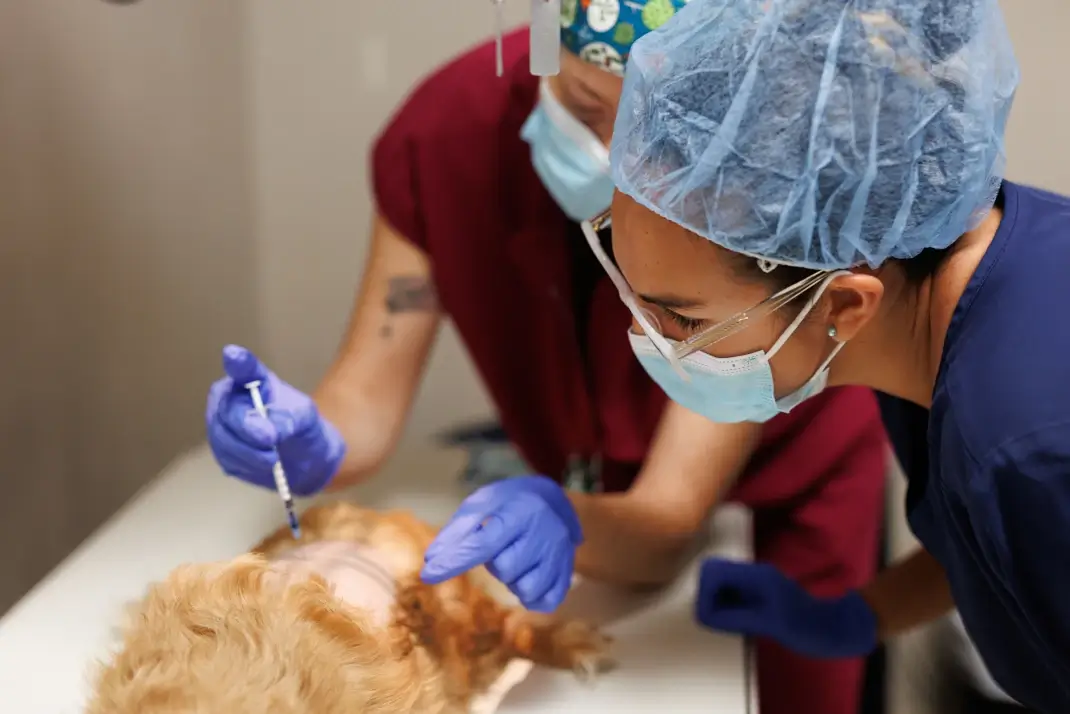
A veterinary technician’s role goes far beyond taking a pet’s temperature or drawing blood. At CARE, our advanced medical center for pets, vet techs combine medical knowledge, technical skill and compassion throughout every stage of a patient’s care. They assist surgeons during complex procedures, monitor anesthesia, administer medications, collect diagnostic samples and help manage pain.
And that’s only part of the job.
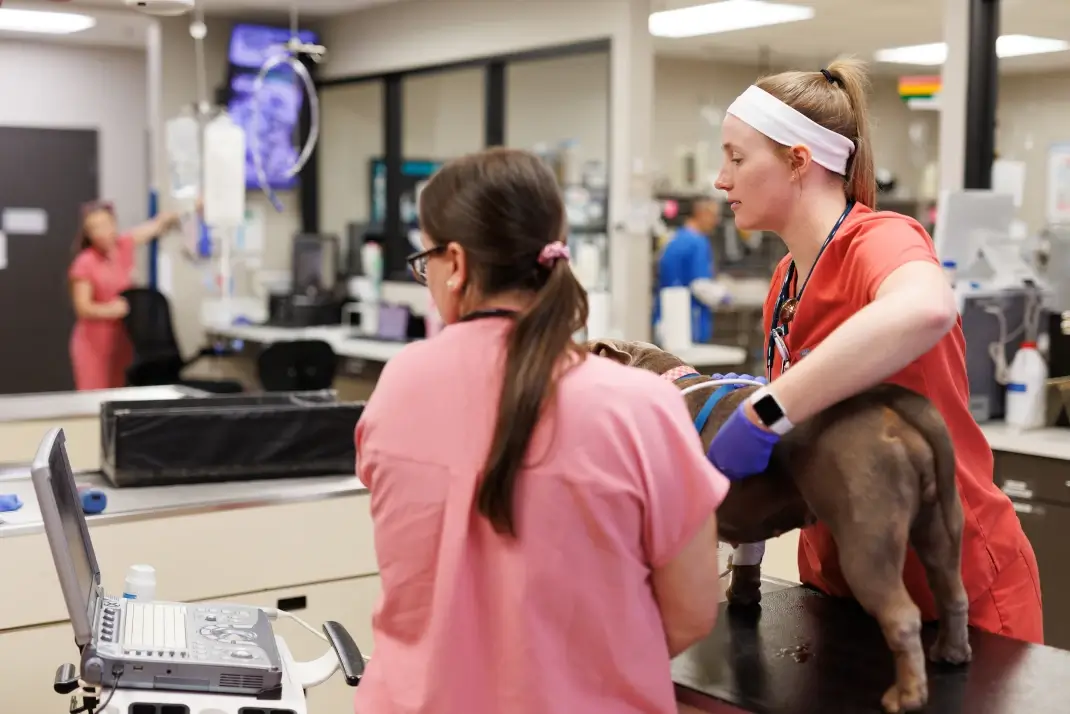
When a pet is hospitalized at CARE, vet techs remain close to patients throughout the day and night. They recognize subtle changes in a patient’s condition, communicate observations to the medical team and provide comfort when pets need it most. They also support families through difficult moments.
In other words, they don’t simply care for patients. They know their patients.
Beyond their clinical expertise, veterinary technicians bring empathy, attention to detail and collaboration to their work. They operate sophisticated equipment, coordinate with colleagues and advocate for patients who cannot speak for themselves.
CARE’s veterinary specialists rely on technicians who understand the unique demands of each discipline:
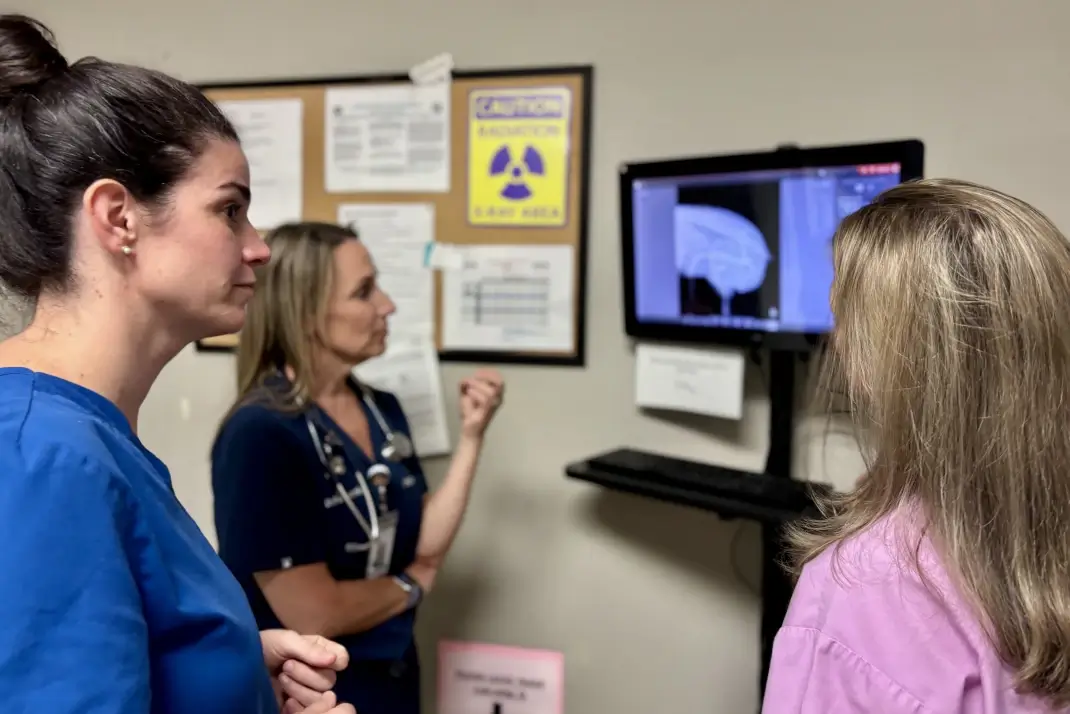
- Neurology: Supporting patients recovering from brain or spinal surgery.
- Oncology: Administering chemotherapy and monitoring for complications.
- Cardiology: Monitoring heart rhythms and other vital signs.
- Anesthesiology: Working alongside the anesthesiologist to monitor patients throughout procedures.
- Emergency and Critical Care: Providing attentive care to critically ill patients around the clock.
- Internal Medicine: Assisting with advanced diagnostics and specialized procedures.
- Surgery: Preparing patients, assisting during procedures and supporting recovery.
- Ophthalmology: An ophthalmology tech may help care for a patient with an eye injury or eye condition, assisting with specialized diagnostics and treatment to protect the patient’s vision.
Across every specialty, veterinary technicians collaborate with veterinarians and fellow team members to help ensure every patient receives exceptional care.
Celebrating Veterinary Technician Week 2026
Veterinary Technician Week is a chance for us to stop and recognize these remarkable professionals. From October 18 to October 24, CARE will celebrate them on our social media channels (So check back here every day for more posts!).
To every veterinary technician at CARE: THANK YOU!
During Veterinary Technician Week 2026, we want to thank you for your expertise, compassion, teamwork, and advocacy for patients who cannot speak for themselves.
Thank you for helping make exceptional specialty and emergency veterinary care possible every hour of every day. We are grateful for you every minute.