 24/7 Emergency

Blog
Latest Post
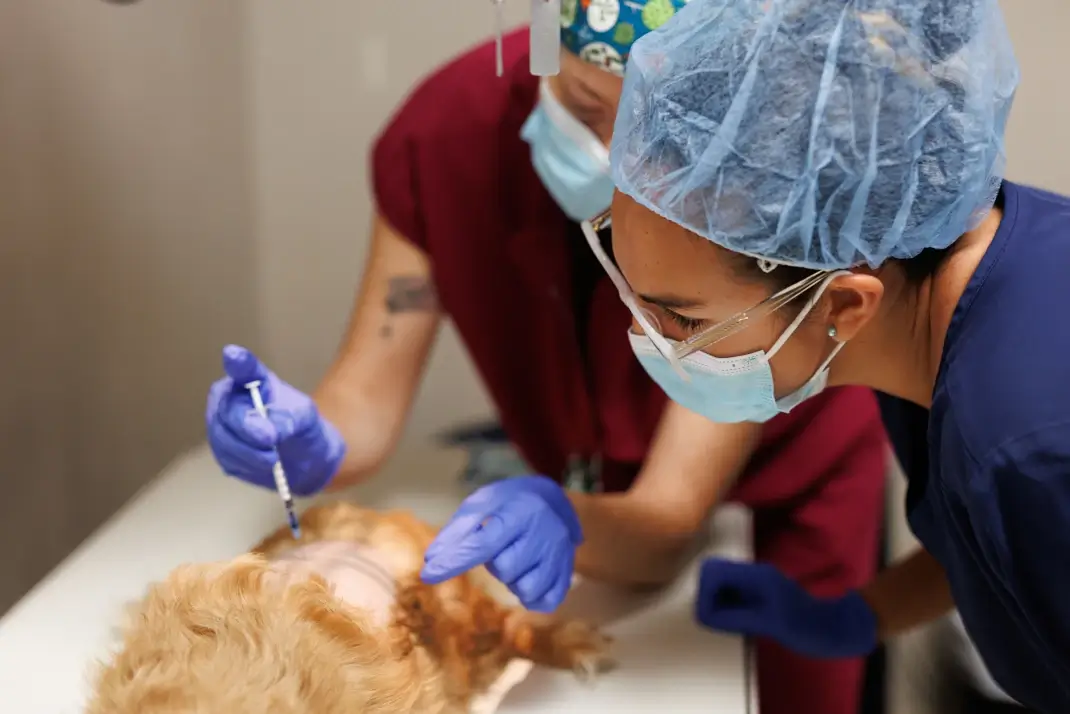
How Do Veterinary Technicians Become Experts?
When pets are hospitalized at a specialty or emergency hospital, the veterinary technician at their side may be monitoring anesthesia, recognizing subtle changes in their condition, managing complex treatments, or providing intensive nursing care around the clock....
If only our pets could tell us what’s wrong…
subscribe to our monthly blog here.
Subscribe here.
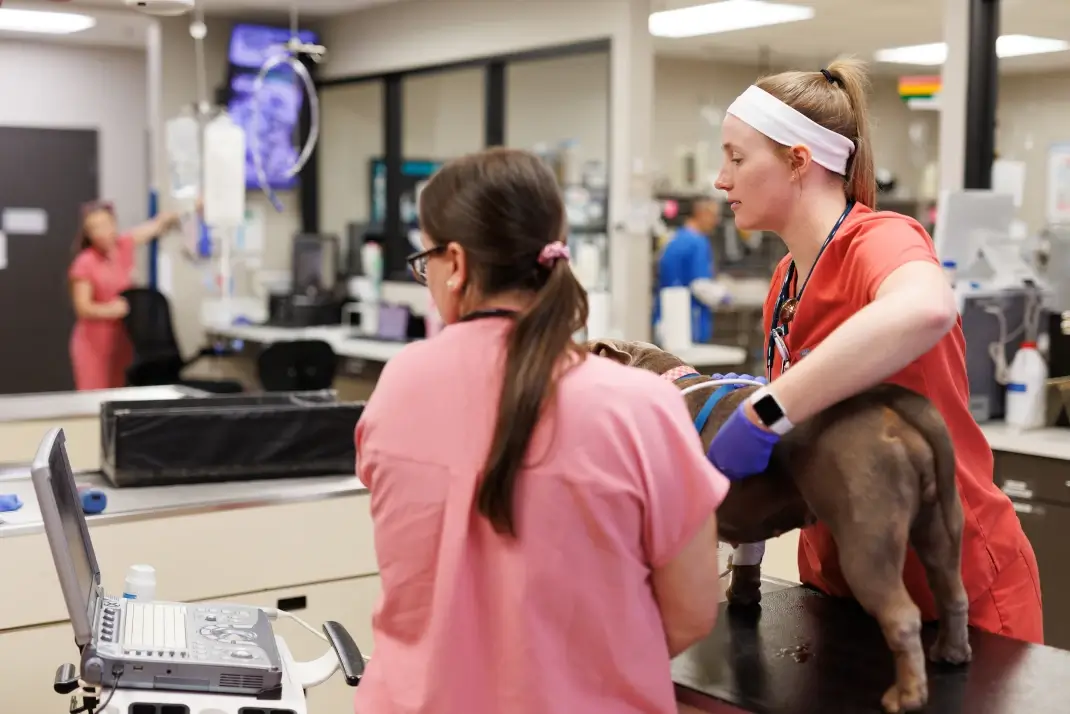
You’ve brought your dog or cat to the emergency room, often without knowing what’s wrong. Your pet has gone back to be examined, and while the doctors and technicians work out of sight, questions run around your brain. What goes on during that first hour in a...
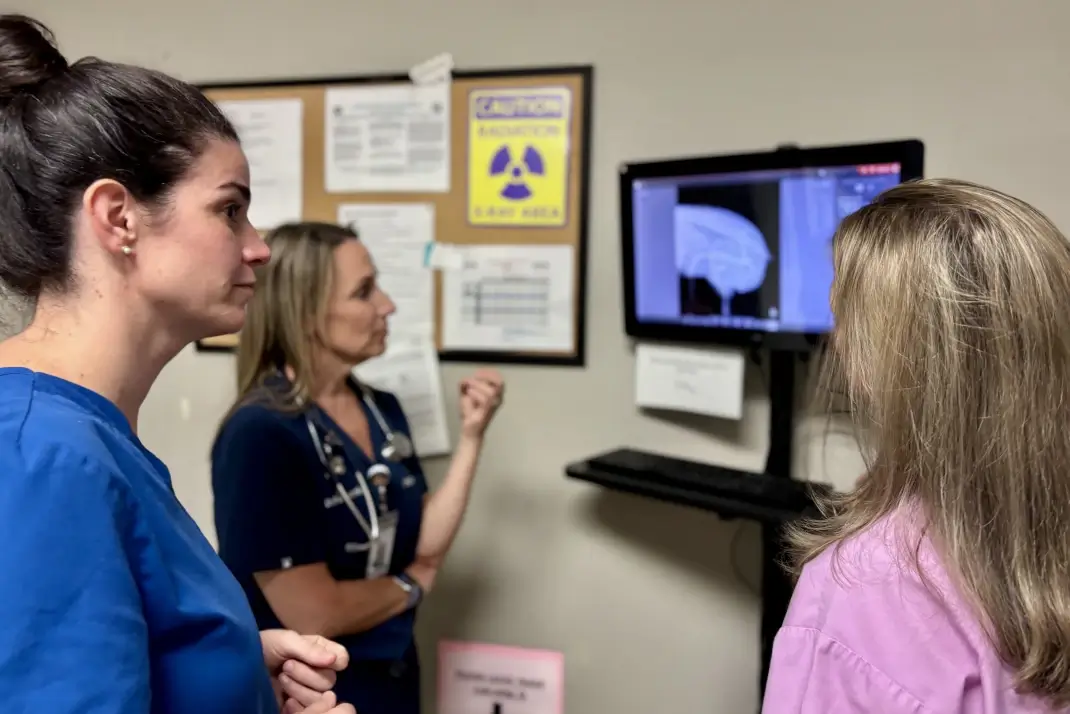
General veterinary practitioners pride ourselves on helping pets through illness and injury. We walk with families through every stage of a pet's life. From puppy biting through spaying or neutering to senior years, we're there to help. Yet sometimes a patient needs a...

According to Numerology, 11 is a master number that symbolizes intuition and enlightenment. CARE considers the number 11 to be quite special as well, at least this week, because it’s how old we are! Come celebrate our 11th anniversary with us! June 22 marks the day...

When a beloved cat or dog undergoes surgery, most owners focus on the procedure itself. Few think much about what happens afterward. Caring for a recovering animal can be a process that lasts days or weeks at home. The surgeon’s job is over; yours is just beginning....

“Bloat” doesn’t sound too bad, right? We’ve all been stuffed after a big meal, crampy and uncomfortable, until we digest food and return to normal. But bloat in dogs – or gastric dilatation and volvulus (GDV), to use the clinical term – develops quickly and turns...

Veterinary care does not start in an exam room with a doctor or technician. Instead, it begins with a conversation with a Client Service Representative (CSR). In fact, their job is so important that we are explicitly celebrating CSRs at CARE. CSRs play a critical role...

Your pet has cancer, and questions whirl around your brain. How dangerous is it? Are treatments available? How long will they take? How costly will they be? Your first visit to the vetarinary oncologist at CARE will give you an idea of how to cope with the disease....

When you hear the words artificial intelligence, you might picture science fiction, internet summaries, or robots. But in today’s veterinary hospitals, AI is being used in a much friendlier way—helping veterinarians spend more time with pets, catch disease earlier,...

If visits to the emergency room are stressful for humans, imagine how pets feel. They’re rushed to unfamiliar doctors in frightening situations. Yet there are ways to make a less stressful ER visit for pets before, during and (if they’re admitted to CARE) after the...

The term “kennel cough” sounds innocuous, like some mild cold virus that runs its course smoothly and causes little annoyance. But in some cases, it lingers and has serious side effects. All dogs can contract and spread it, although certain breeds tend to be more...

One of the scariest things a pet owner can see is a seizure, especially for the first time. It can be devastating to watch your dog or cat writhe in pain or struggle to walk. When this happens, consulting a veterinary neurologist can be one of the most stressful days...

Chronic kidney disease in pets (CKD) can be a frustrating condition. Many pets show no signs of illness at home; cats are especially good at masking issues until a problem becomes advanced. The disease can be slowed and managed but neither cured nor reversed. Some...